
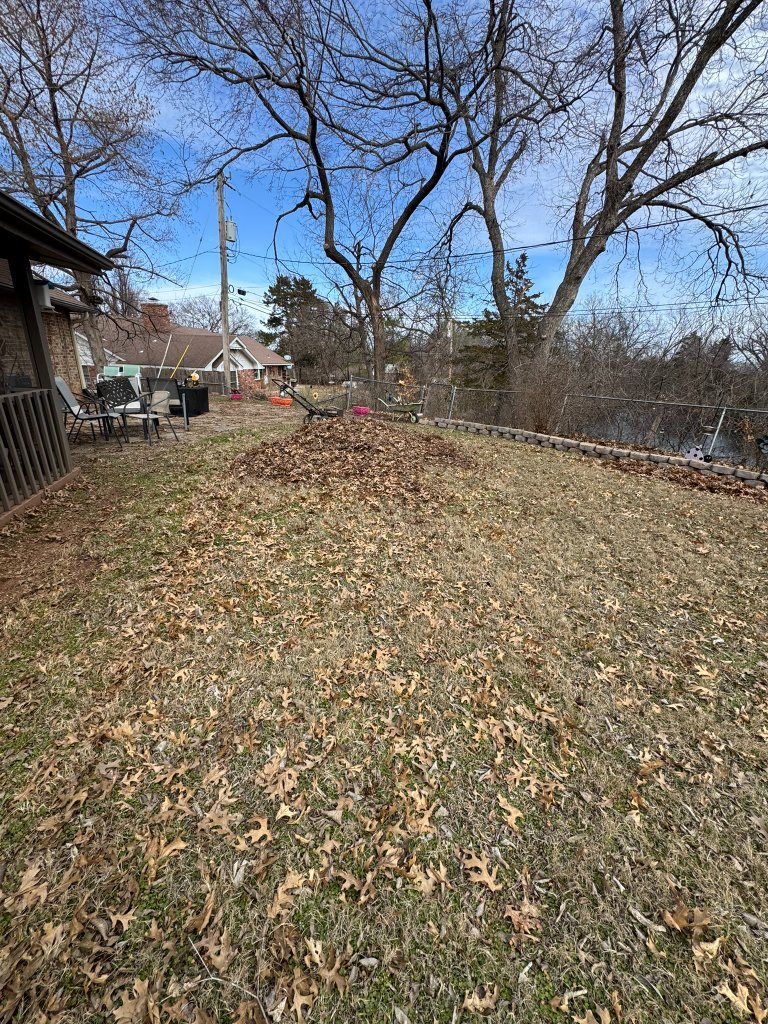
Fallen leaves gathered in a residential yard before removal.
Photo by Advanced Turf Services• © Advanced Turf Services
Fall Lawn Care Tips for Stillwater, OK
Plan fall lawn care in Stillwater by grass type, including mowing, leaves, fescue overseeding, soil testing and irrigation freeze preparation.
As the vibrant colors of summer fade and the crisp air of fall settles over Stillwater, Oklahoma, it's time to prepare your lawn for the upcoming winter months. Proper fall lawn care is crucial for ensuring a healthy, lush lawn come spring. In this guide, we'll explore essential steps to winterize your yard, tailored specifically for the unique climate and soil conditions of Payne County.
Understanding Oklahoma's Fall Climate and Soil Conditions
Stillwater, located in Payne County, experiences a transition from warm to cooler temperatures in the fall. This shift affects both warm-season and cool-season grasses differently. Warm-season grasses like Bermuda and zoysia begin to slow their growth and enter dormancy, while cool-season grasses such as tall fescue can resume growth as summer heat eases and slow again as winter approaches.
Soil texture and drainage vary between properties. Check whether water soaks in or collects on your own lawn before deciding on irrigation, aeration, or drainage work.
1. Mowing: Adjusting for Fall Growth
Keep mowing while the grass is growing, using a height appropriate to the species. Remove no more than about one-third of the leaf in a routine cut. A 2-inch finish is not a suitable blanket recommendation for a tall-fescue lawn.
2. Leaf Management: Preventing Lawn Suffocation
Fallen leaves can accumulate quickly in Stillwater, potentially smothering your grass and blocking sunlight. To prevent this:
-
Rake and Compost: Regularly remove leaves and compost them to return nutrients to the soil.
-
Mulch with Mower: A light layer can be chopped with a mulching mower if the pieces settle into the turf. Remove heavier accumulations that leave the grass covered.
3. Fertilization: Nourishing Your Lawn for Winter
Fall is an important feeding period for tall fescue, but Bermuda and zoysia have a different schedule as growth slows. Do not apply the same November fertilizer plan to every lawn. Base the product and amount on grass type, conditions, and soil-test recommendations.
4. Overseeding: Enhancing Lawn Density
Early fall can be a useful window to repair thin tall fescue by overseeding. Do not automatically introduce cool-season seed into an existing Bermuda or zoysia lawn. Confirm the intended lawn type and the cause of thinning first.
5. Aeration: Improving Soil Health
Fall core aeration may fit actively growing tall fescue. Warm-season lawns need an opportunity to recover while growing; avoid applying the same fall cultivation schedule to every grass type.
6. Watering: Maintaining Adequate Moisture
Monitor soil moisture during dry fall weather and adjust watering to rainfall, soil, and grass type. Established lawns generally benefit from watering that reaches the root zone without runoff. Newly seeded areas and new sod need an establishment schedule instead of the same deep, infrequent routine.
7. Pest Control: Safeguarding Your Lawn
Be vigilant for pests that can damage your lawn during the fall. Fall armyworms, for instance, can cause significant damage if not addressed promptly. Regularly inspect your lawn for signs of infestation and consult local extension services for appropriate control measures.
8. Irrigation System Maintenance: Preparing for Winter
Prepare the irrigation system for freezing weather using the equipment manufacturer's instructions and the system's drain design. Exposed components may need insulation. If the system requires compressed-air winterization, have a qualified irrigation professional handle it; excessive pressure can damage components. Disconnect and drain garden hoses before a freeze.
9. Soil Testing: Assessing Nutrient Needs
Conducting a soil test in the fall provides valuable information about nutrient levels and pH balance. This data allows you to make informed decisions about fertilization and soil amendments, ensuring optimal conditions for your lawn's health.
10. Mulching: Protecting Plant Roots
Applying mulch around trees and shrubs helps insulate roots, retain moisture, and suppress weeds. In Stillwater's climate, a 2-3 inch layer of organic mulch is ideal. Be sure to keep mulch away from the base of trunks to prevent rot.
Plan Your Fall Lawn Work
Start with the grass type and the condition of your lawn, then choose the tasks that fit. ATS provides lawn care in Stillwater and can discuss mowing, seasonal cleanup, and appropriate treatment or renovation work.
Request a free estimate and tell us which services you need and when you would like the work completed.
Sources and Further Reading
Planning an Outdoor Project?
Get a free estimate for your property in Stillwater, OK
Get Free EstimateRelated Articles
Why Is My Lawn Turning Brown During This Heatwave?
Brown lawn in Stillwater? Check moisture, mowing, irrigation and damage patterns before treating. Learn when to seek a lawn assessment.
Top 7 Tips for a Healthy Lawn in Stillwater
Discover the top 7 expert tips for a lush, healthy lawn in Stillwater, OK. From soil testing to seasonal care, learn how to beat the Oklahoma heat.
How Much Does Lawn Care Cost in Stillwater, Oklahoma?
Wondering about lawn care costs in Stillwater, OK? Learn what factors influence pricing and how to budget for a healthy, vibrant lawn in Payne County.