
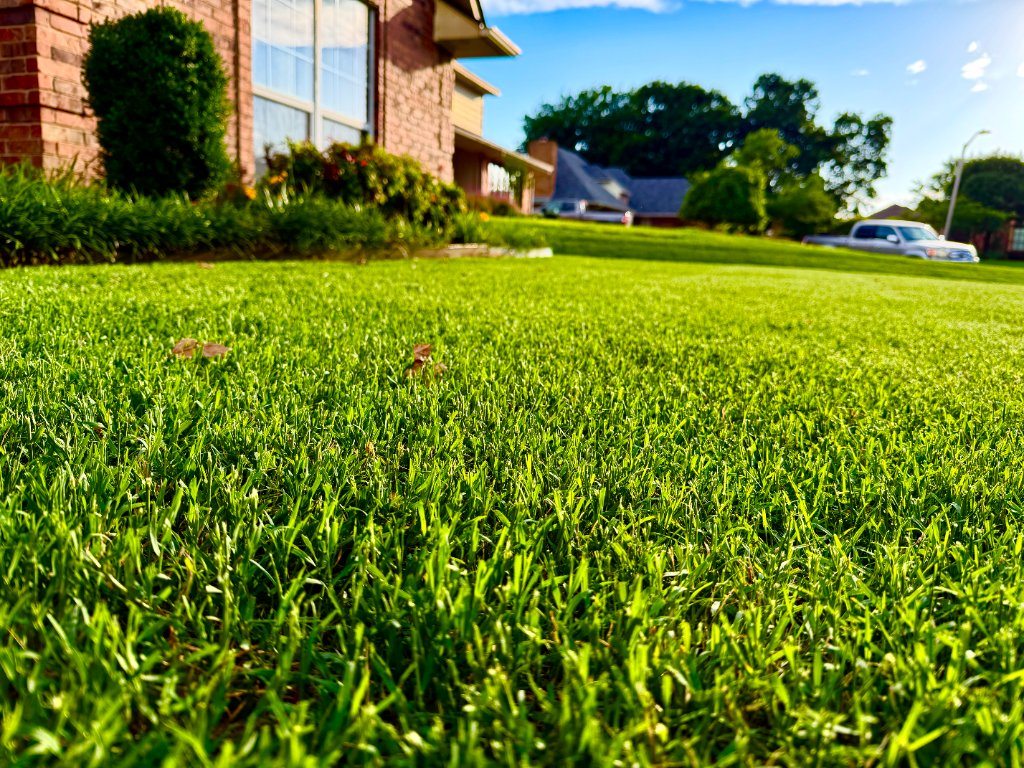
Close view of a mowed natural-grass lawn beside residential homes.
Photo by Advanced Turf Services• © Advanced Turf Services
When to Scalp Your Lawn in Stillwater, Oklahoma: A Pro Guide
Considering a low spring cut in Stillwater? Learn why grass type, mowing height and lawn condition matter, and when scalping can damage turf.
Understanding Lawn Scalping in Stillwater
A very low spring cut is not a routine requirement for every Stillwater lawn. Before reducing mowing height, identify the grass, cultivar, current condition, and the maintenance goal. Cutting into crowns or removing too much living growth can damage turf.
What is Lawn Scalping?
Homeowners sometimes use "scalping" to describe a deliberate spring height reduction on a warm-season lawn. OSU also uses the term for damaging cuts that remove growth at the crown. Do not treat either term as a recommendation to cut every bermudagrass or zoysiagrass lawn to the ground. Choose the normal height for the cultivar and equipment; see OSU's bermudagrass mowing guidance.
When is the Right Time to Scalp?
Do not schedule a very low cut by a fixed March date. Assess grass type, frost risk, current growth, and the amount of healthy leaf that would be removed. If you are unsure about the intended spring mowing height, have the lawn assessed before lowering the mower.
A lower cut is not a substitute for renovating damaged turf. Before sod installation or overseeding, identify the cause of thinning and match the establishment method and timing to the intended grass.
Decide What the Lawn Actually Needs
- Mowing-height adjustment: Identify the cultivar and its appropriate cutting height before removing old top growth.
- Thatch assessment: A low cut does not remove an excessive layer of thatch. Assess thatch separately before selecting a treatment.
- Site assessment: Bare patches, drainage problems, and compaction need diagnosis; a severe cut will not correct their cause.
Critical Warnings
- Protect Cool-Season Grasses: Keep tall fescue at an appropriate mowing height. A severe cut can thin and damage it; a warm-season mowing practice should not be copied onto fescue.
- Avoid Aggressive Cuts on New or Stressed Turf: Let new seed or sod establish and root before normal mowing. Avoid a severe height reduction on an unestablished or stressed lawn; base decisions on rooting and condition instead of a fixed one-year cutoff.
- Post-Scalp Care: Monitor recovery and use weed control or fertilizer only when appropriate for the grass and conditions. Cutting lower is not a reason to automatically feed dormant turf.
Expert Maintenance for Payne County Lawns
A practical lawn plan starts with appropriate mowing, water, nutrition, and diagnosis of site problems. Core aeration may help compacted areas when the grass can recover; it is not required for every Oklahoma soil. Our lawn care services can be scoped around what the property actually needs.
If the issue extends beyond mowing, discuss the affected area and how you use it. Our landscaping services and artificial turf options may suit specific project goals.
Ready for a Greener Lawn?
For lawn care in Stillwater, request a free estimate and describe the grass, current condition, and work you want completed.
Sources and Further Reading
Planning an Outdoor Project?
Get a free estimate for your property in Stillwater, OK
Get Free EstimateRelated Articles
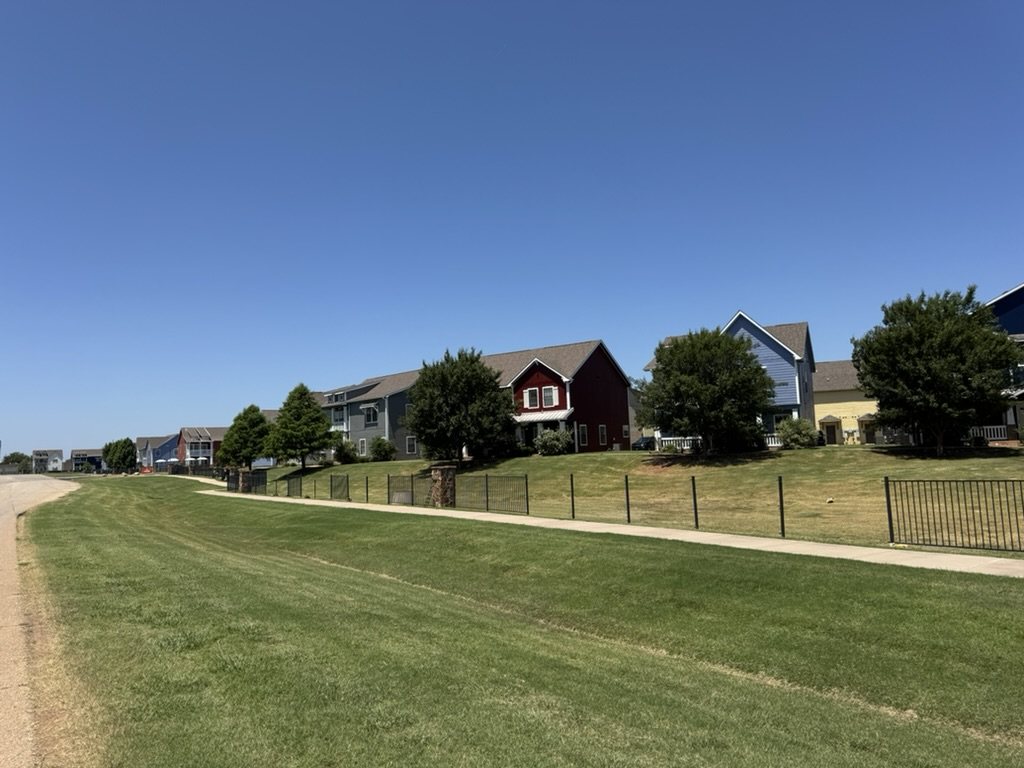
Why Is My Lawn Turning Brown During This Heatwave?
Brown lawn in Stillwater? Check moisture, mowing, irrigation and damage patterns before treating. Learn when to seek a lawn assessment.
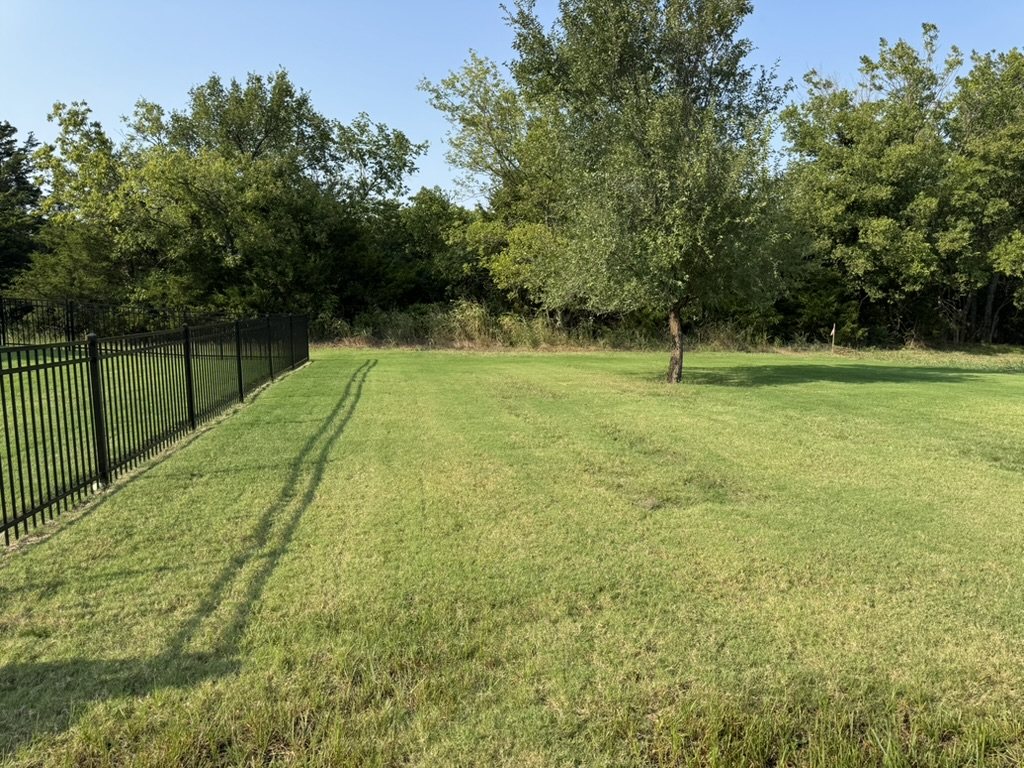
Top 7 Tips for a Healthy Lawn in Stillwater
Discover the top 7 expert tips for a lush, healthy lawn in Stillwater, OK. From soil testing to seasonal care, learn how to beat the Oklahoma heat.
How Much Does Lawn Care Cost in Stillwater, Oklahoma?
Wondering about lawn care costs in Stillwater, OK? Learn what factors influence pricing and how to budget for a healthy, vibrant lawn in Payne County.